




Description
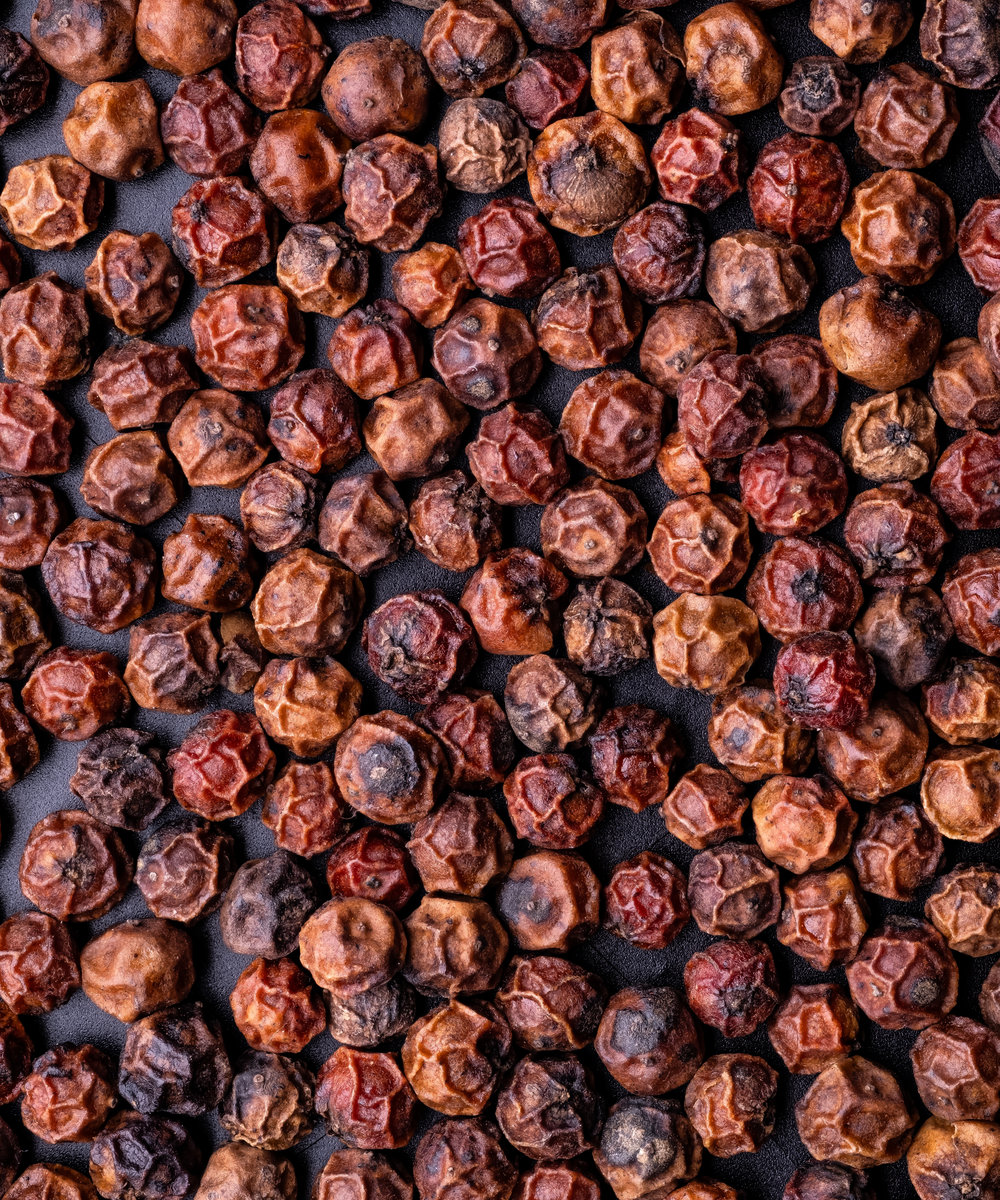
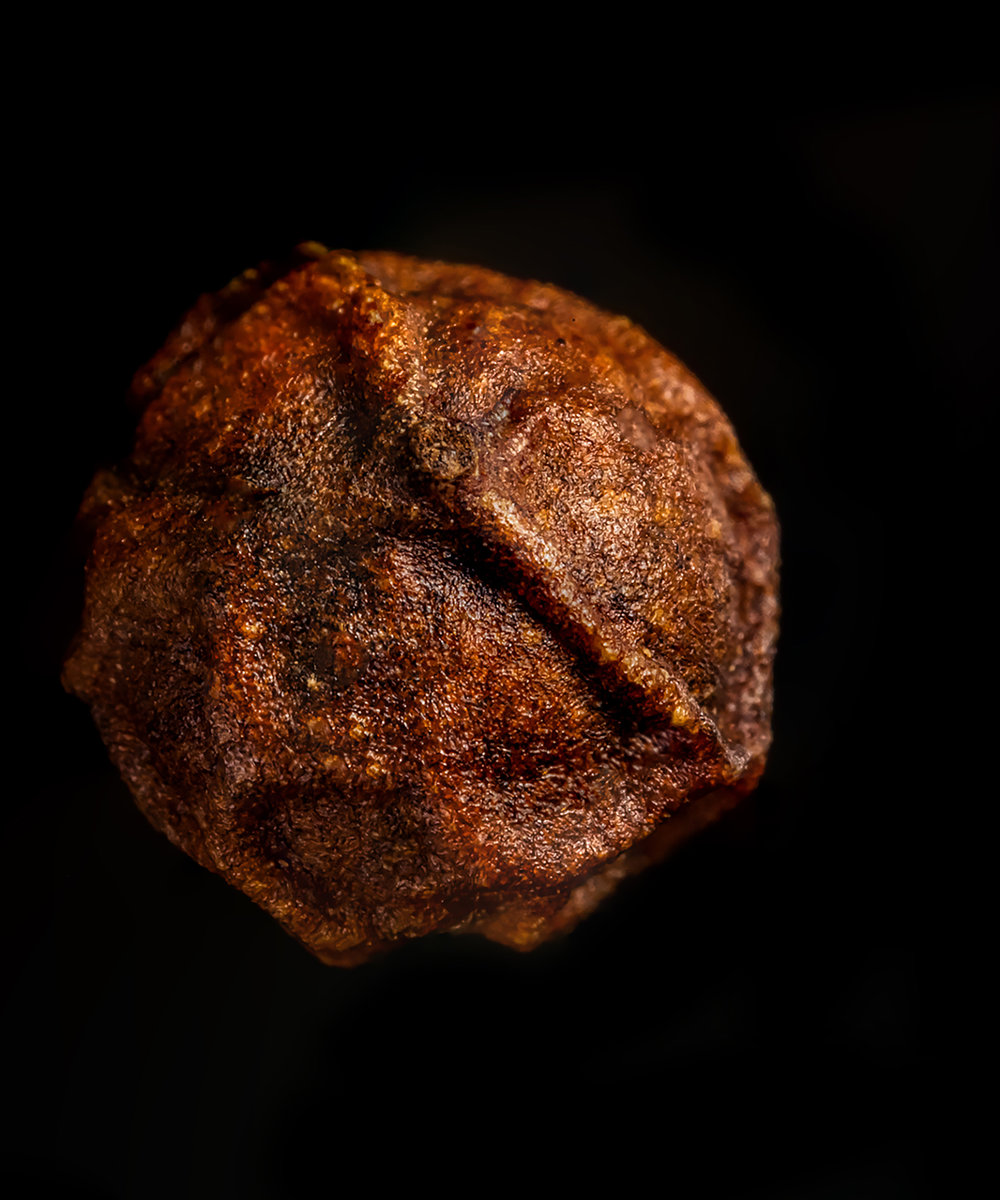
An essential symbol of the name, the Kampot Red pepper develops strong, fruity, slightly sweet aromas — red fruits, plum, date, honey — on a warm and unspicy base.
A harvest by hand for an exceptional pepper
The production of Kampot Red pepper requires careful know-how and a large workforce, each red grain being selected one by one directly on the cluster. Few regions around the world, like Kampot, grow this rare pepper at full maturity.
At the end of the dry season, between March and April, the grains mature on the cluster, gradually turning from yellow to red. Farmers harvest only the mature red grains by hand, letting others mature on the plant. In some cases, partially red clusters (about a quarter) are picked and treated as soon as they arrive at the workshop, then carefully sculpted by hand, the red grains being extracted one by one on the sorting table. Fragile and sensitive, these grains require constant attention at each stage of treatment.
IGP, guarantee of origin and quality
Kampot pepper is recognized by a Protected Geographical Indication (PGI), attesting to a unique terroir and a rigorously framed culture. The richness of the clay-calcar soil, the tropical climate punctuated with abundant rains during flowering, the proximity to the sea and the hilly environment give this pepper its aromatic profile so particular.
Kampot Red pepper meets a strict specification, supervised by the KPPA (Kampot Pepper Promotion Association). Each red grain is washed, briefly scalded, then dried naturally in the sun for two to three days according to climatic conditions. Frequent manual turning of grains allows uniform drying, intensifying the concentration of aromas and the richness of taste.
A tradition rooted in Kampot's history
While the cultivation of pepper in the Kampot region dates back several centuries, Red Pepper has truly acquired its nobility only with obtaining PGI. At the time of the French protectorate, Kampot mainly exported black and white pepper, then known as Indochina pepper.
Each farm now develops its own method to obtain an intense and homogeneous red, with a sun-drying that sublimates the woody and fruity aromas so characteristic of red pepper.









Isabelle –
TOP OF THE TOP. A spice of subtle taste. Exceptional!